

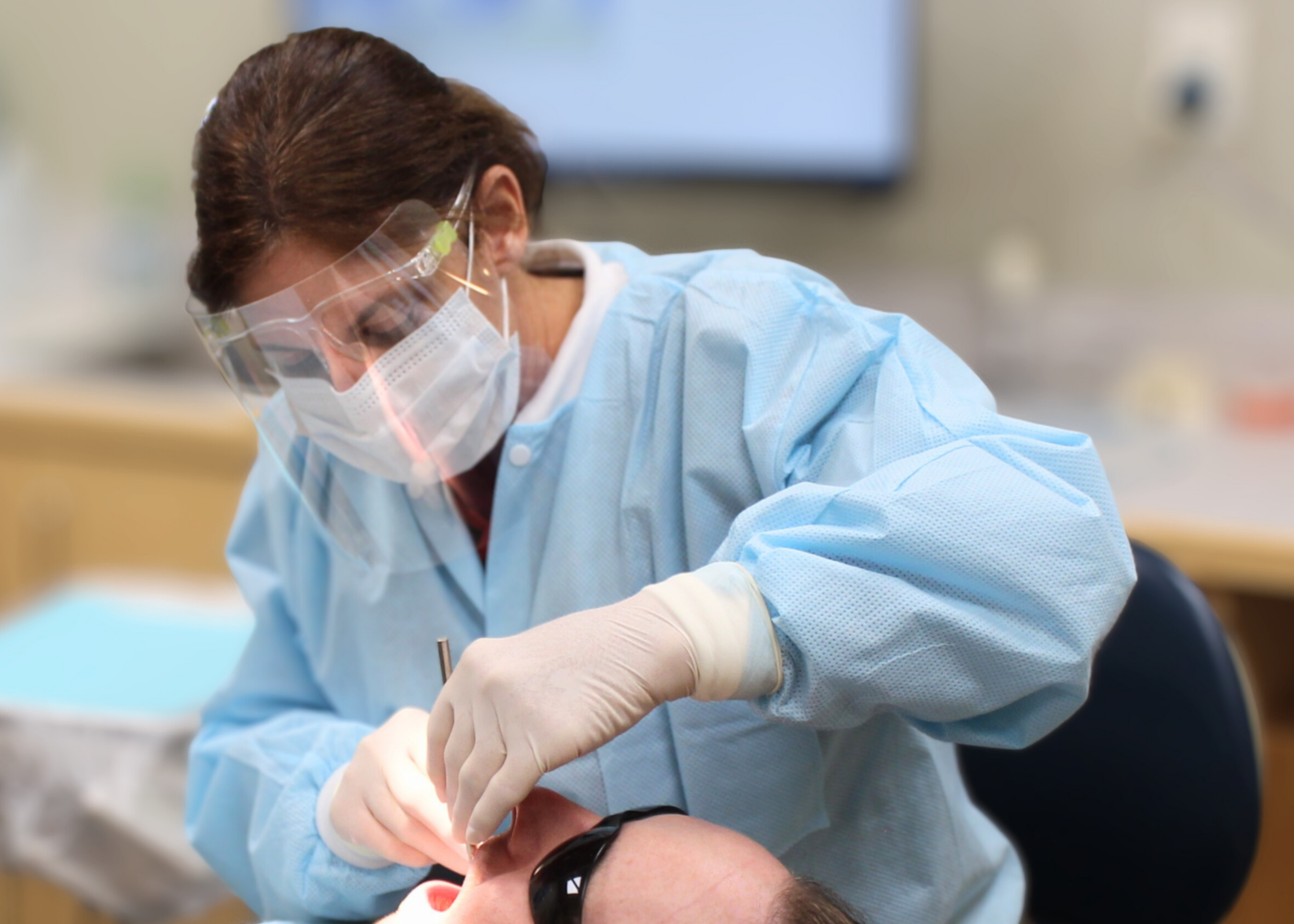
Root Canal Treatments
Gentle, precise care focused on saving your natural tooth.
A root canal treats infection inside your tooth. The infection starts in the soft inner tissue. This tissue becomes irritated or infected from deep decay, cracks, trauma, or repeated dental procedures. If the infection is not treated in time, the tooth can break down or require removal.
Root canal treatment removes the infection and helps you keep your natural tooth.
Key reasons a root canal is needed
• Tooth pain
• Swelling
• Sensitivity to heat or cold
• A crack in the tooth
• A dark spot near the gum
• A history of trauma
Why a Root Canal Treatment is Needed
-
Pain comes from infection or irritation inside the tooth. A root canal removes this infection. Once the irritated tissue is removed and the tooth is sealed, the source of pain is gone. Most patients feel steady relief within a day.
-
Endodontists focus on treating the inside of the tooth. They complete this type of procedure every day and use advanced tools and training to clean complex root systems.
Your dentist wants you to have steady, comfortable care and the best chance to save your natural tooth.
Endodontic Specialists Have
More training
More experience
Advanced imaging
Modern instruments
Precise diagnosis
-
A natural tooth supports normal chewing and helps keep your bite balanced. Keeping your natural tooth also prevents changes in your jaw. Treatment helps protect your long term oral health and keeps your smile strong. A root canal is a predictable way to save a tooth that might otherwise be lost.
-
Steps of Care (simple and clear)
• We numb the area to keep you comfortable
• We remove the infected tissue
• We clean and shape the inside of the tooth
• We place a filling material inside the root
• We close the tooth with a temporary filling
• You return to your dentist for a crown or permanent restorationPatient Experience
• You stay comfortable the entire time.
• Modern techniques make treatment straightforward.
• Most visits take 60 to 90 minutes.
• Many patients return to normal chewing the next day. -
We use CBCT imaging and high magnification to see inside the tooth with accuracy. These tools help us diagnose the problem and perform your treatment with steady precision. Your comfort and safety stay at the center of each step.
Advanced Tech:
• CBCT
• Microscope
• Digital imaging
• Modern filling materials -
You may feel mild soreness for a few days. This improves with time. Avoid chewing on the tooth until your dentist places a crown or permanent restoration. Your dentist will help protect the tooth and prevent future issues.
View Post Treatment Instructions
-
Q: Will it hurt
Treatment relieves pain. You receive local anesthesia. You stay comfortable during the visit. Some soreness after treatment is normal.Q: How long does the visit take
Most visits last 60 to 90 minutes.Q: What if I need more than one visit
Some teeth need more than one appointment. Your specialist will explain this during your exam.Q: Do I still need a crown
Yes. You must return to your general dentist for a permanent restoration.Q: Will the infection come back
Root canal treatment has a strong success rate. If retreatment is needed, our specialists guide you through next steps.


At Endodontic Specialists, we’re dedicated to the highest standards of dental specialty care. Built on compassion, expertise, and trust, we provide personalized treatments that restore confidence, comfort, and lasting tooth health for every patient we serve.
Committed to Excellence
Saving Teeth, Confident Lives
At Endodontic Specialists, we know that saving a natural tooth brings comfort, strength, and peace of mind. Root canal treatment helps relieve pain and protects the tooth that supports your smile. Our team focuses on steady, gentle care, clear explanations, and proven steps that help you feel safe and supported throughout your visit.
How Long Does a Root Canal Last?
A root canal is designed to last for many years. Long term success depends on a strong final restoration. Your dentist protects the tooth with a permanent filling or crown. This helps keep the tooth stable and healthy.
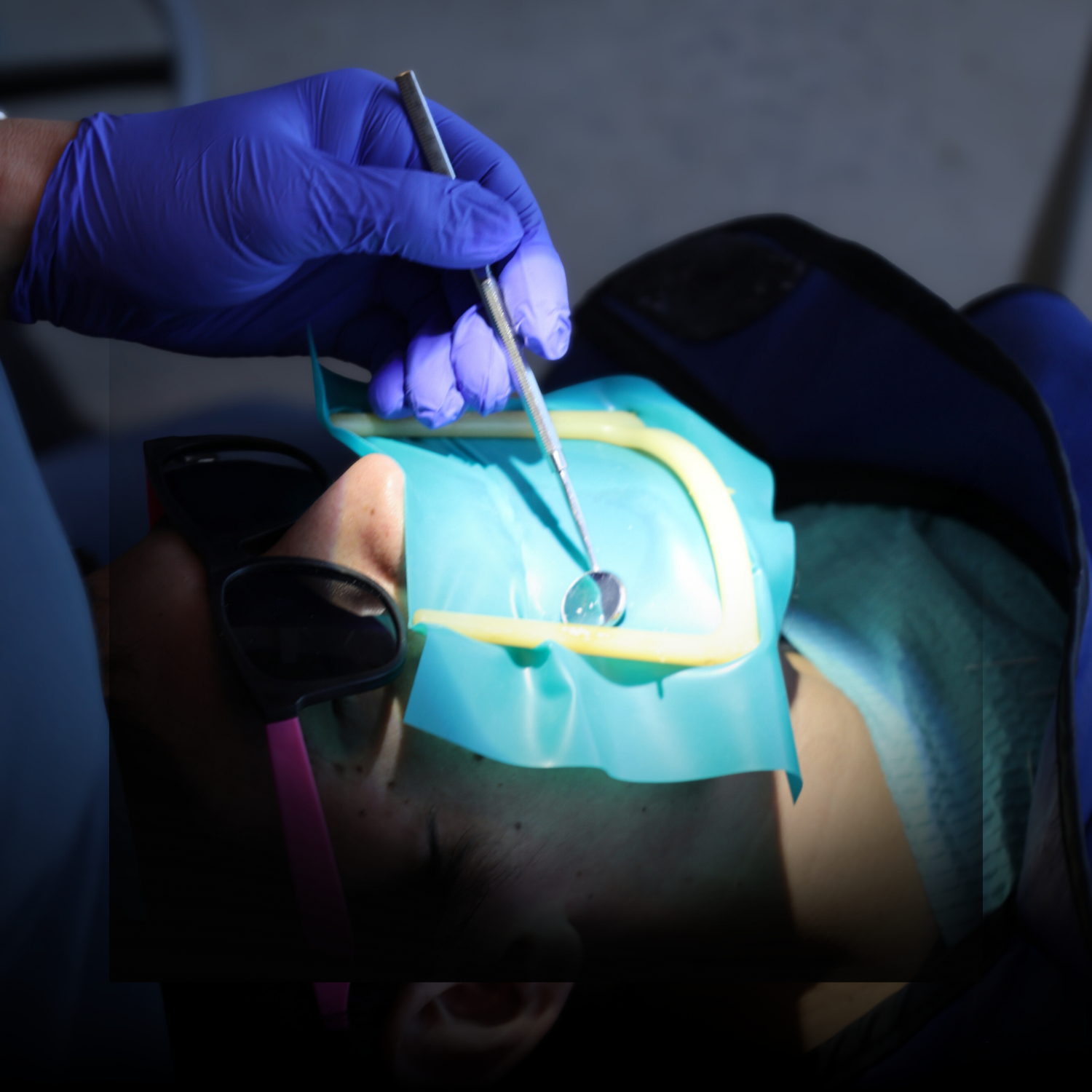

Educational Videos
Root canal treatment today is faster, easier, and more comfortable. Our modern endodontists use advanced training and technology to treat infection and protect your natural tooth.
These symptoms do not always mean you need a root canal, but they signal a problem that needs attention.
Signs You May Need a Root Canal
Pain that keeps coming back
Pain when biting or chewing
Sensitivity to heat
Sensitivity that lingers after cold
Swelling near the tooth
A dark spot on the gum
A cracked or broken tooth
A tooth that feels different than usual


“I always heard root canals were slow and painful, so I was surprised by how smooth this visit was. The doctor treated me in one visit and I felt comfortable the whole time. My dentist recommended Endodontic Specialists because they work closely together. The process was clear, efficient, and far better than I expected.”
— Patient Feedback
“I was nervous before my visit, but the treatment was easier than a teeth cleaning. I could not believe how fast it felt. I expected pain, but the entire appointment was comfortable. The team explained each step and helped me feel calm. I left relieved, confident, and grateful I was sent here.”
— From a Recent Patient
Contact us
Fill out some info and we will be in touch shortly. We can’t wait to hear from you!